Trézor Suite Explained – A Clear Guide to Using Your Hardware Wallet Safely
Introduction
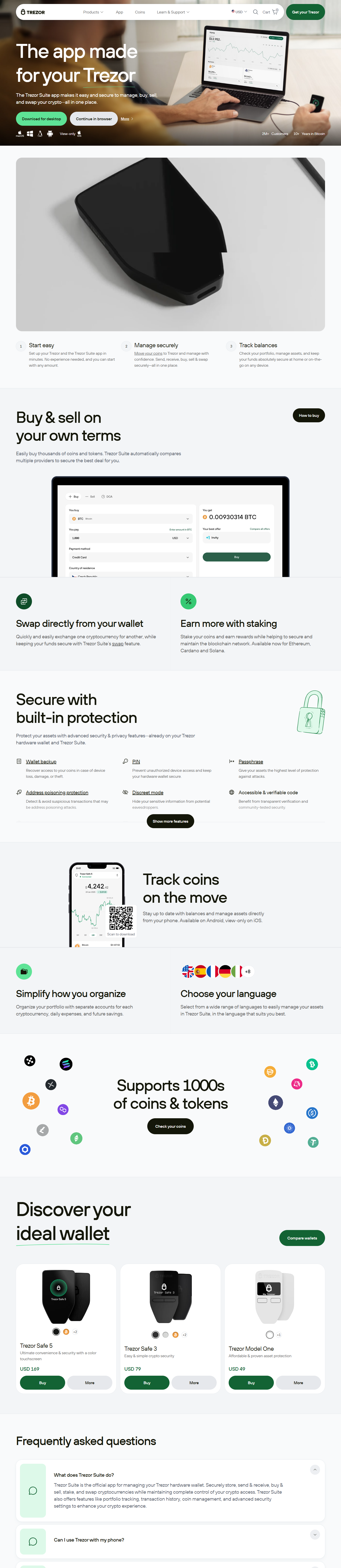
Trézor Suite is the official companion software created for Trezor® hardware wallets. It provides users with a secure way to view balances, manage transactions, and interact with blockchain networks while keeping private keys offline at all times.
This guide is written to help users understand Trézor Suite in a simple, practical way. Whether you are new to cryptocurrency or transitioning from exchange-based wallets, this overview focuses on safety, clarity, and long-term confidence.
What Trézor Suite Actually Does
Trézor Suite does not store cryptocurrency, private keys, or recovery information. Instead, it works as a trusted interface between the user and the hardware wallet.
All critical actions—such as approving transactions—are completed on the physical device. The software only displays information and sends requests that require user confirmation.
Why Offline Key Control Matters
Most online wallets store private keys on internet-connected devices. This creates risk from malware, phishing, and unauthorized access.
Trézor Suite is designed to avoid these risks by ensuring that private keys never leave the hardware wallet. Even if a computer is compromised, transactions cannot be completed without physical approval.
Ways to Access Trézor Suite
Users can choose between two access methods: desktop software or a web-based version.
The desktop application is ideal for regular use because it runs locally and avoids many browser-based vulnerabilities.
The web version offers flexibility and convenience for users who need temporary access on a trusted system. In both cases, the hardware wallet remains essential.
Preparing for First-Time Use
Before starting setup, users should choose a quiet and private location. Initial configuration is a sensitive process and should never be done in public or on shared devices.
It is recommended to have pen and paper ready to write down important information. Digital storage of sensitive data should always be avoided.
Connecting the Hardware Wallet
Once connected to a computer, the Trezor device is automatically recognized by Trézor Suite. The software then provides step-by-step instructions tailored to the device state.
New devices require initialization, while previously used devices will simply load existing wallet information.
Choosing Device Security Settings
One of the first security measures is creating a PIN code. This PIN protects the device from unauthorized physical access.
The PIN is entered directly on the hardware wallet display, preventing exposure to keyboard loggers or screen capture software.
The Recovery Phrase: Your True Backup
During setup, the device generates a recovery phrase. This phrase is the master backup for the wallet.
If the hardware wallet is ever lost, damaged, or replaced, the recovery phrase allows full wallet restoration. Without it, funds cannot be recovered.
How to Protect the Recovery Phrase
The recovery phrase must remain offline at all times. It should be written clearly and stored securely.
It should never be saved digitally, photographed, emailed, or typed into any website. Anyone who has access to this phrase can control the wallet.
Creating Wallet Accounts
After setup, users can create accounts for supported cryptocurrencies. Each account represents a separate balance and transaction history.
Accounts can be renamed to help users organize funds based on purpose, such as savings, daily use, or long-term storage.
Viewing Balances and Transactions
Trézor Suite displays balances and transaction history in a simple dashboard. Users can see confirmations, transaction status, and account activity.
All information shown is fetched directly from blockchain networks, not stored by the software itself.
Receiving Cryptocurrency Safely
To receive funds, users generate a receiving address inside Trézor Suite. This address appears both on the computer and on the hardware wallet.
Users should always confirm that both addresses match before sharing the address. This step protects against address manipulation attacks.
Sending Cryptocurrency Securely
When sending assets, users enter transaction details in the software. Before the transaction is finalized, the hardware wallet displays the details for review.
Only after confirming on the device is the transaction broadcast to the network. This ensures full user control.
Understanding Transaction Fees
Every blockchain transaction requires a network fee. Trézor Suite offers suggested fee levels based on current conditions.
Users can choose faster confirmation or lower cost depending on urgency. Advanced users can manually adjust fee settings.
Privacy and Control Features
Trézor Suite includes features designed to improve privacy and transparency. Users can hide balances, control transaction inputs, and manage display preferences.
These tools help users maintain discretion while staying informed about their assets.
Supported Cryptocurrencies
The software supports many major cryptocurrencies and token standards. This allows users to manage multiple digital assets from one secure interface.
Support is updated regularly as new networks and assets become widely adopted.
Optional Built-In Services
Some versions of Trézor Suite offer optional services such as exchanging or purchasing cryptocurrency through third-party providers.
These features are optional and do not compromise security. All transactions still require hardware confirmation.
Keeping Software and Firmware Updated
Updates improve security, performance, and compatibility. Users should keep both Trézor Suite and device firmware up to date.
Updates should only be installed through official channels to avoid malicious software.
Common Mistakes to Avoid
New users often rush setup, skip address verification, or store recovery phrases digitally. These mistakes can lead to serious losses.
Taking time to understand each step greatly improves long-term security.
Who Trézor Suite Is Best For
Trézor Suite is suitable for beginners, long-term investors, and experienced crypto users who value independence.
It is especially helpful for users moving away from centralized exchanges toward self-custody.
Building Long-Term Security Habits
Using a hardware wallet is an ongoing responsibility. Regular verification, careful storage, and software updates help maintain security.
Trézor Suite supports these habits with a clear and guided interface.
Final Thoughts
Trézor Suite provides a secure, transparent, and user-focused way to manage cryptocurrency with a hardware wallet. By keeping private keys offline and requiring physical confirmation, it offers strong protection against online threats.